Agriculture
Bauchi Groups Call For Farmland Quotas For Women, Youth, PWDs
Bauchi Groups Call For Farmland Quotas For Women, Youth, PWDs
--Call For Policy Review, Security, and Inclusive Access To Boost Agrifood Systems--
By Khalid Idris
BAUCHI - Stakeholders in Bauchi State have demanded a comprehensive review of land and agricultural policies to introduce specific quotas for women, youths and Persons With Disabilities, PWDs, in the allocation of government-owned farmland and inputs. They argued that targeted allocations would ensure equitable access, raise productivity and profitability, and draw more women and young people into farming.
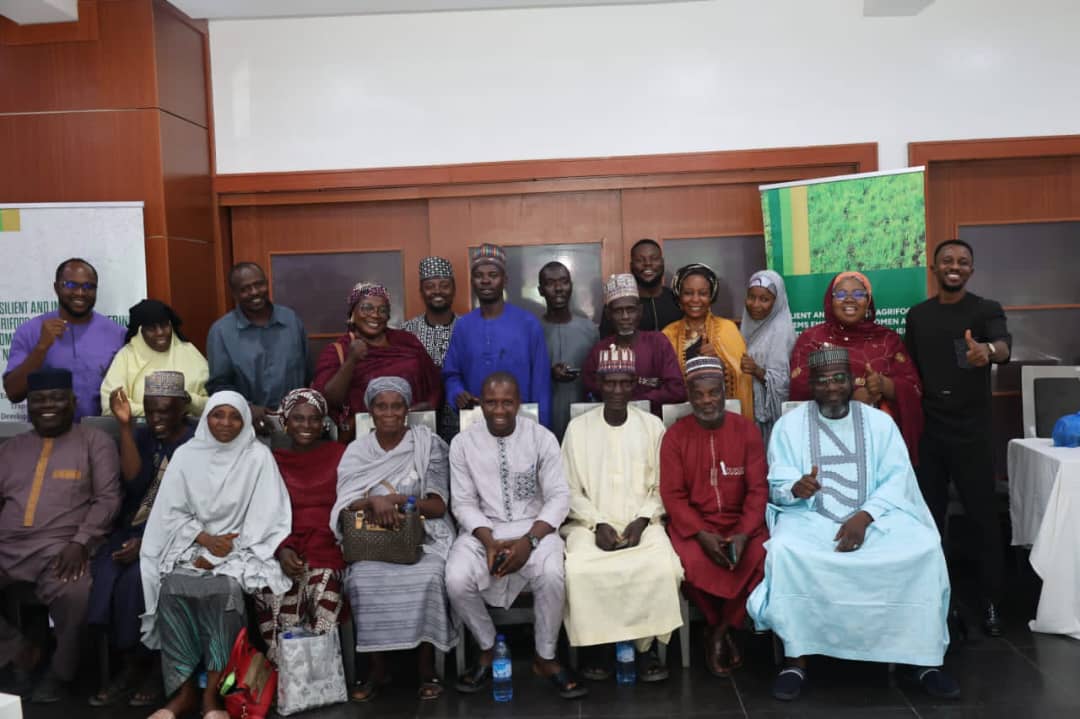
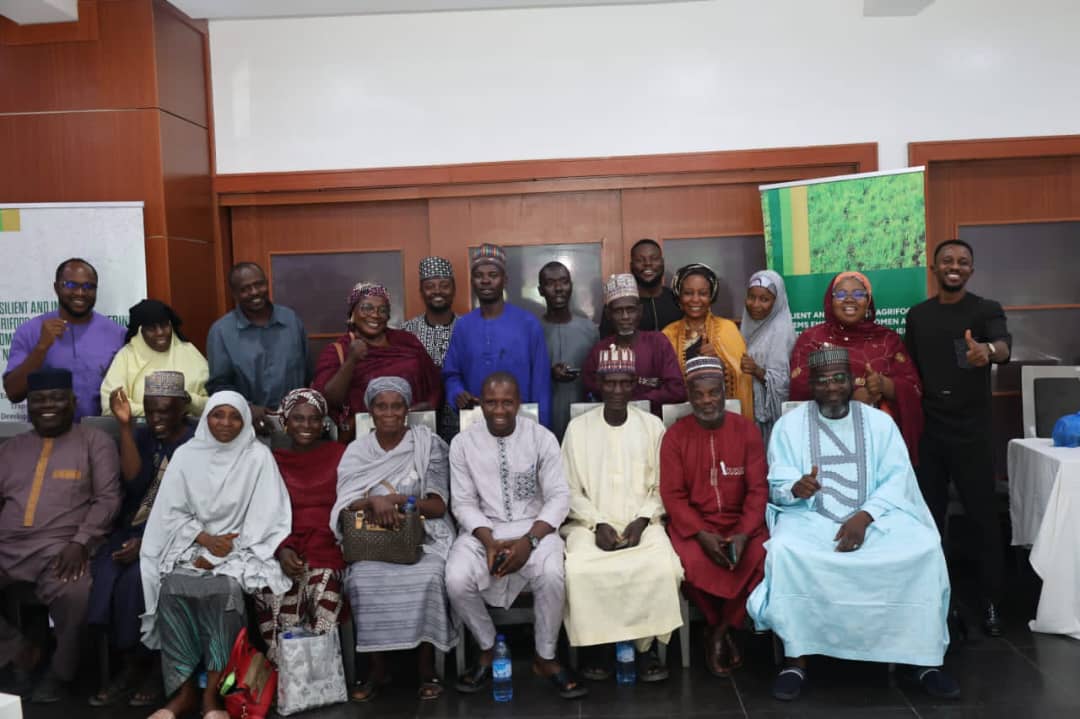
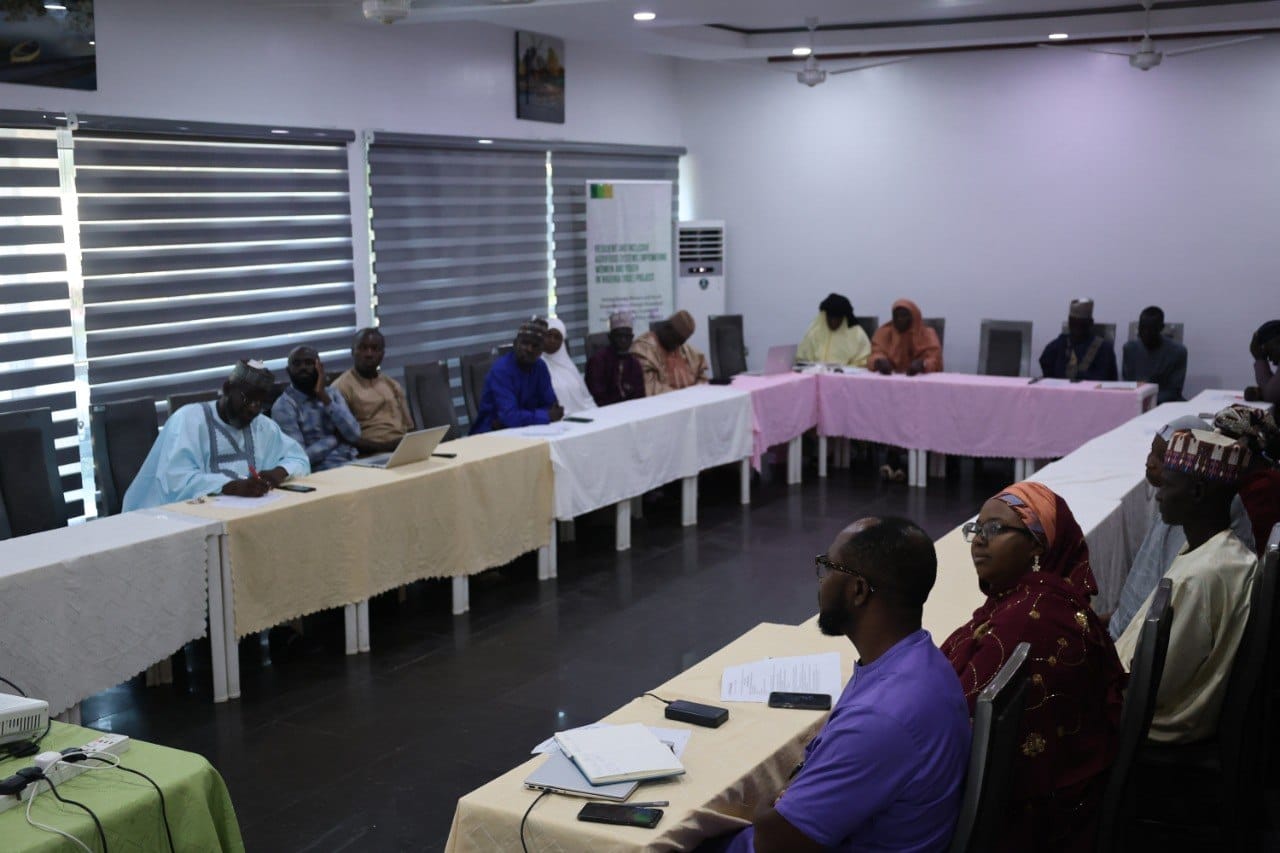
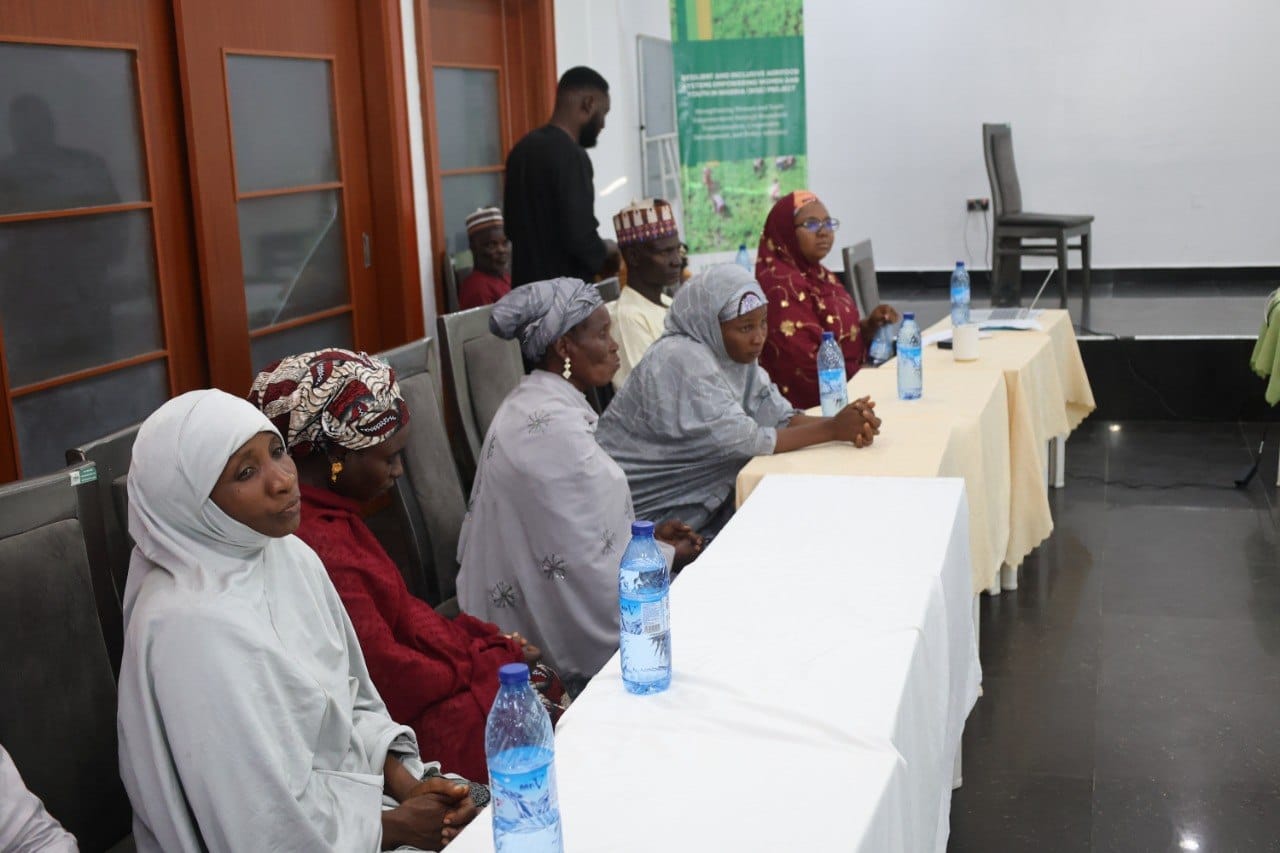
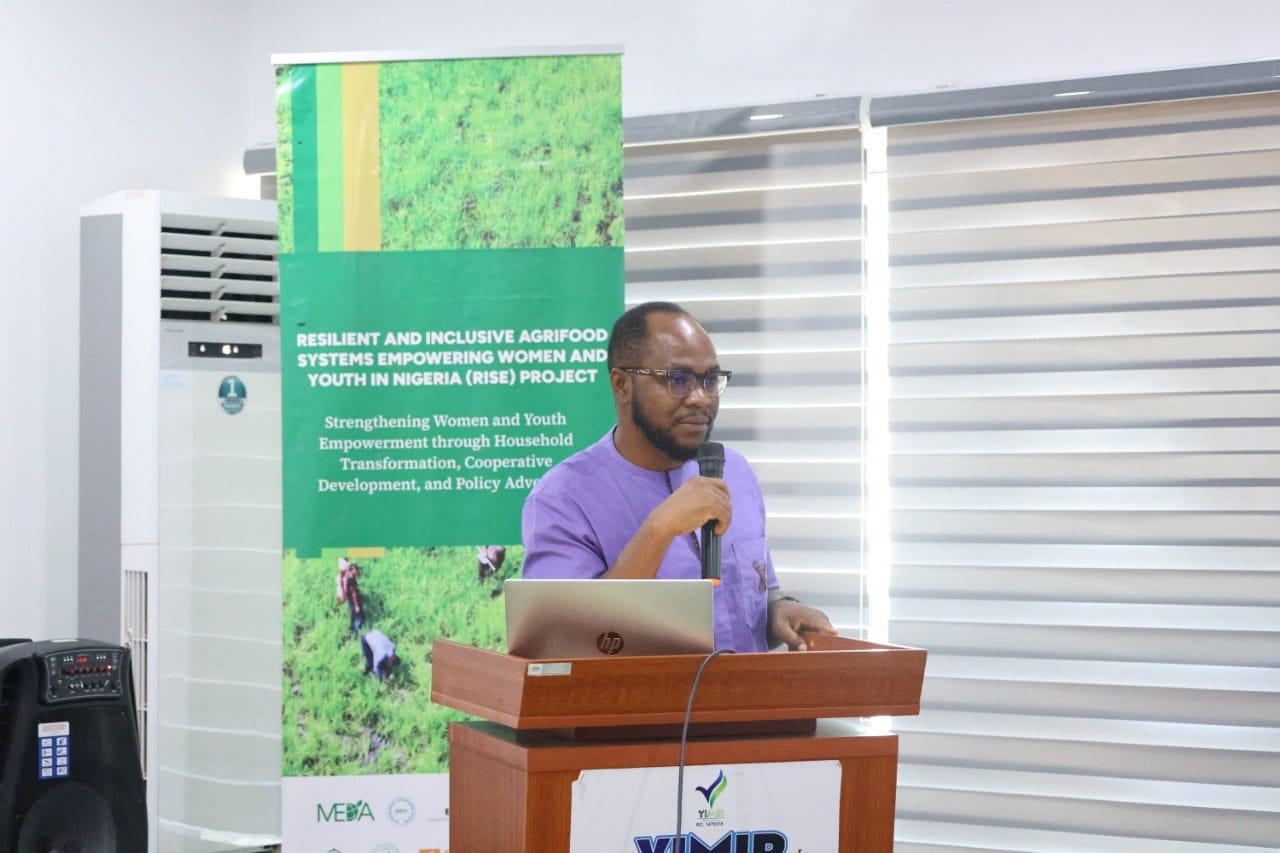
The call was made on Monday at a one-day policy roundtable on sustainable access to farmland for Women and Youths in Bauchi State. The meeting held at Yimir Hotel, Bauchi, was organised under the Resilient and Inclusive Agrifood Systems Empowering Women and Youth in Nigeria, RISE, Project by Sahel Consulting Agriculture and Nutrition Ltd, in partnership with the Federation of Muslim Women’s Associations in Nigeria, FOMWAN, and other consortium partners.
In a communique issued at the end of the meeting, the participants called for reforms that would earmark specific hectares or percentages of state-owned farmland for women, male and female youths. “We are calling for a review of existing land and agricultural policies to provide for dedicated portions of government-owned farmland to be allocated to women and youths,” the communique stated.
The stakeholders also recommended ceilings on individual land allocations to prevent excessive concentration of farmland in the hands of a few. They further urged government to ensure that land designated for industrial use serves only its intended purpose. “Land set aside for smallholder farmers and pastoralists for farming and grazing must retain its designated use and should not be converted to other purposes,” they said.
On security, participants called for stronger protection of farming communities and remote farm areas to curb theft, attacks and other threats that discourage cultivation.
“Government agencies should deploy appropriate technologies in collaboration with security agencies to monitor farming areas and improve the safety of farmers,” they stated.
They also advocated community-based security structures and improved rural roads to cut costs and risks associated with movement to and from farms. The stakeholders demanded greater access to mechanisation, climate-smart technologies, improved inputs, extension services and affordable financing for women and youth farmers.
 They stressed that any farmland allocated must be fertile, accessible, secure and suitable for agricultural production.
The meeting also proposed monitoring mechanisms to ensure beneficiaries cultivate allocated land instead of leasing it out.
Special attention was given to PWDs. Participants called for deliberate, inclusive land-access mechanisms and an end to discriminatory beliefs about their capacity in agriculture.
“We propose the establishment of a PWD Land Access Committee to represent and advocate for persons with disabilities in accessing, negotiating and renting farmland, and to facilitate access to farm labour, adaptive technologies and other support,” the communique said.
Traditional institutions were urged to dismantle cultural barriers to women’s land rights. “Traditional rulers, district heads, village heads and community leaders should promote customary practices that support fair and non-discriminatory access to farmland for women, youths, PWDs and women-led organisations,” the stakeholders said.
They also called for the inclusion of all relevant parties in the sharing of inherited land and adequate representation of women in such processes. Community-based mechanisms for resolving land disputes and protecting vulnerable groups from unfair denial of farmland were also recommended. Religious leaders were encouraged to review cultural and religious norms that limit women’s access to land and to work with women-led government agencies to address the gaps. Civil society organisations and development partners were urged to intensify advocacy on equitable land access and to provide technical assistance on land rights, negotiation, sustainable land management, climate-smart agriculture and farm business management.
The stakeholders further called for stronger linkages between farmers, government institutions and traditional authorities to facilitate access to suitable farmland. “Women-led organisations and youth groups should be supported to collectively negotiate for suitable farmland and to strengthen their capacity to manage allocated land effectively,” they said.
They also urged the formation and strengthening of PWD-led structures to advocate for members’ access to land and agricultural opportunities. Participants advised women and youth groups to organise through cooperatives and farmer groups to improve bargaining power, ensure secured farmland is cultivated, and adopt climate-smart practices to preserve soil fertility and build resilience. “Proper documentation of land allocation, tenancy and rental arrangements should be maintained to reduce the risk of disputes,” they added.
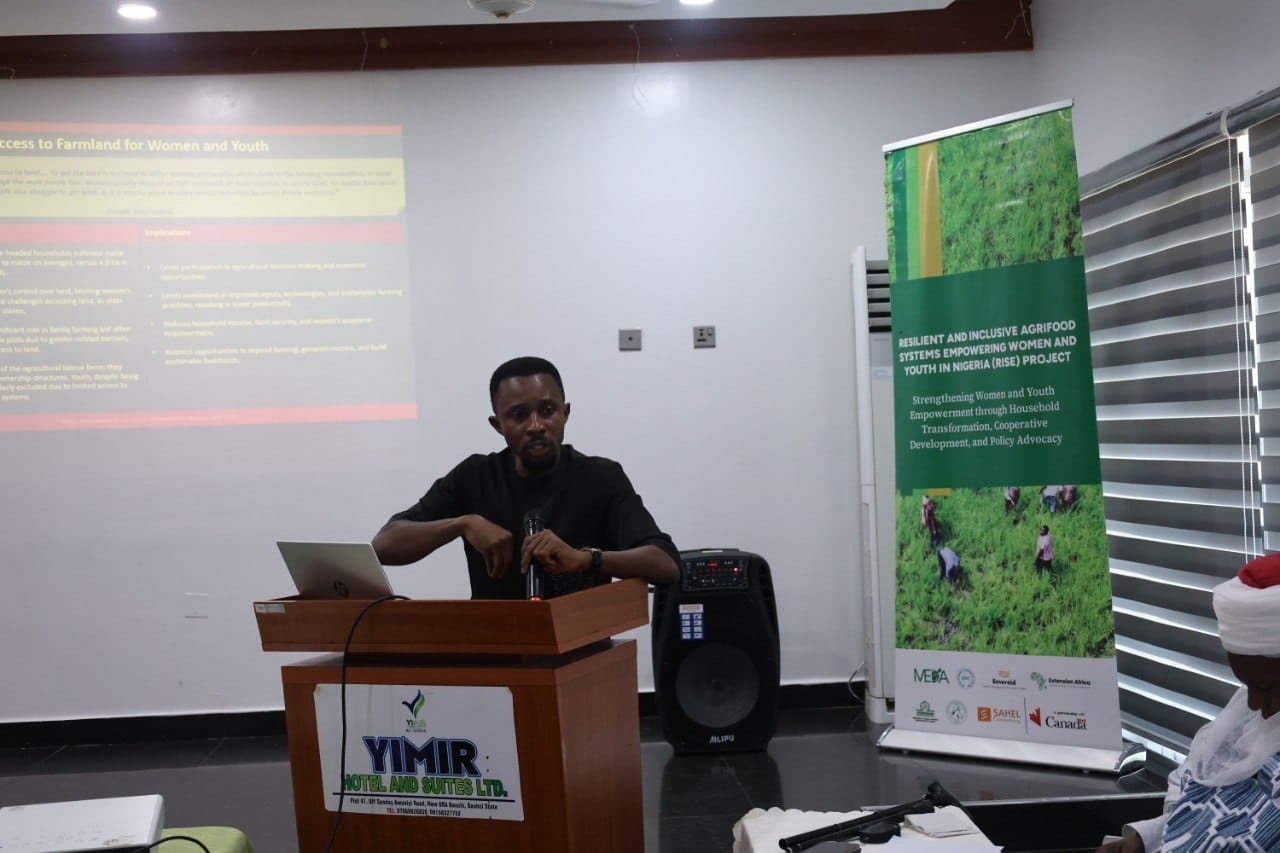
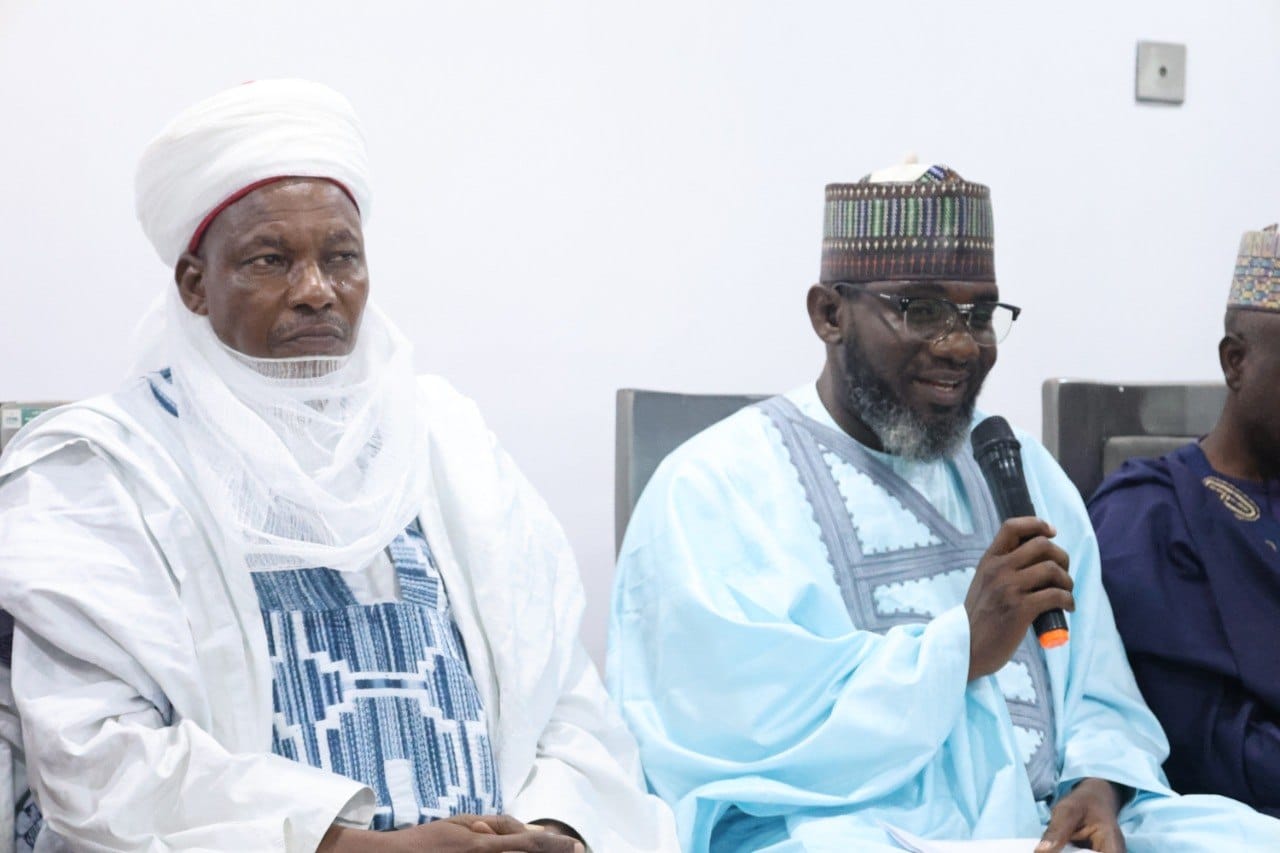
The roundtable drew participants from relevant ministries, departments and agencies, traditional and religious institutions, civil society organisations, farmer groups, cooperatives, women and youth associations, members of the Project Steering Committee and development partners.
Delivering a welcome address, Joseph Apeh of Sahel Consulting Agriculture and Nutrition Ltd said the RISE Project is a five-year initiative running from 2025 to 2030.
“The RISE Project is funded by Global Affairs Canada and implemented by a consortium of partners across Bauchi, Kaduna and Kano states,” Apeh said.
“It is designed to transform agrifood systems through inclusive, climate-resilient and market-driven growth in rice, maize, groundnut and soybean value chains, while addressing systemic barriers limiting the participation and economic empowerment of women and youths.” Presenting findings from the Integrated Market Systems Assessment, IMSA, conducted ahead of the project, agricultural expert Emmanuel Ameh highlighted barriers restricting women and youths from accessing productive farmland. “Ensuring women have meaningful access to and ownership of land for agricultural purposes is critical,” Ameh said.
“This is not simply about saying that women should own land; it is about thinking critically about what we can do to ensure that women have meaningful access to land for agricultural purposes.” He added that women play central roles across the value chain. “In most farming households, women contribute to different stages of agricultural production. They help with planting, weeding, harvesting, processing and marketing. Many women also engage in small-scale farming around their homes, while some have the capacity to operate on a much larger scale,” he said.
The participants concluded that sustainable agricultural development in Bauchi requires an inclusive and transparent land-access system. “Land allocation alone will not be sufficient. It must be complemented with security, mechanisation, finance, inputs, extension services, transportation and climate-smart technologies,” they stated.
They reaffirmed the need for stronger collaboration among government, traditional and religious leaders, civil society, development partners, women, youth and PWD representatives to remove barriers to farmland access and strengthen agricultural livelihoods in the state.

0 Comments
Be the first to comment on this story.